

Kitchen Faucets: Common Types and a Structured Method for Installing a Water Faucet

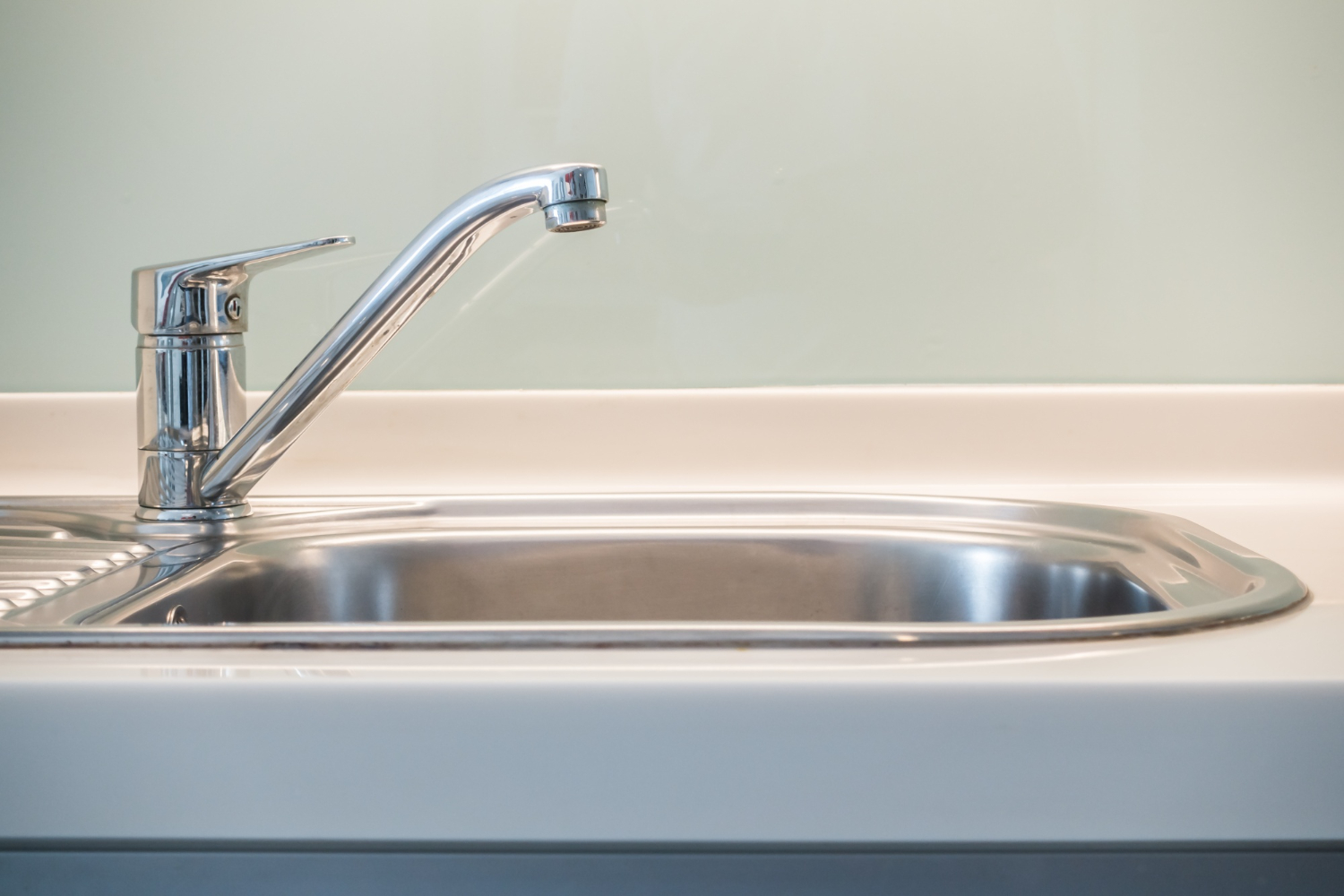
A technical classification describing the characteristics of kitchen faucets in terms of shut-off mechanism, operating design, mounting position, and hole count, with a structured outline of installing a water faucet for common sink configurations. The scope includes types of kitchen faucets and kitchen faucet styles used in home kitchens.
Types of Kitchen Faucets
Kitchen faucets vary across four main dimensions: operation (manual/sensor), mounting position (deck/wall), spout form (high-arc/low/with spray), and shut-off mechanism (cartridge/valves). The table summarizes key differences within types of kitchen faucets:
| Type | Shut-off & Operation | Mount Position | Typical Hole Count | Engineering Notes |
|---|---|---|---|---|
| Single-handle mixer | Ceramic cartridge, single lever | Deck mount | One hole (escutcheon can cover 3-hole sinks) | Mixes hot/cold via one lever |
| Two-handle mixer | Two separate valves | Deck mount | Three holes | Align handles to spout |
| High-arc spout | Cartridge or valve | Deck mount | 1–3 holes | Extra vertical clearance for large pots |
| Semi-professional | Heavy-duty cartridge + exposed spring | Deck mount | Usually one hole | Multi-mode spray head |
| Wall-mounted | Valves within wall | Wall | Two wall outlets | Depends on in-wall rough-in |
| Touch/motion | Smart faucet via solenoid | Deck mount | 1–3 holes | Control unit with batteries/power supply |
| Pull-down kitchen faucet | Cartridge + internal flexible hose | Deck mount | One hole | Counterweight ensures spray head return |
| Pull-out faucet | Cartridge + horizontal hose | Deck mount | One hole | Suits shallow base cabinets |
| Kitchen shower spray faucet | Flow/spray diverter | Deck mount | 1–3 holes | Toggle between stream and spray |
Pull-Down Kitchen Faucet
- Retractable spray head via an internal flexible hose and a counterweight under the sink.
- Included within kitchen faucet styles used for frequent pot-filling and direct rinsing.
- Appears frequently among modern types of kitchen faucets that rely on a built-in spray diverter.
Smart Faucet
- Activation via body touch or motion sensor.
- Uses a solenoid and control unit; also referred to as a smart water faucet in manufacturer catalogs.
- Classified among kitchen faucets with electronic control.
Kitchen Shower Spray Faucet
- Spout with a diverter to switch between steady stream and spray mode.
- Falls under kitchen faucet styles designed for multiple cleaning modes.
- Often paired with an aerator that sets the flow rate.
Additional Types
- Single-handle mixer / two-handle mixer.
- High-arc.
- Wall-mounted.
- Semi-professional.
These categories complete the landscape of types of kitchen faucets, with differences in installation and hydraulics.
Components Affecting Kitchen Faucet Performance
- Faucet body and spout; gaskets and O-rings.
- Cartridge or valves; sealing method affects tightness in kitchen faucets.
- Flexible supply hoses with 1/2-inch connections (BSP/NPT as specified).
- Escutcheon plate to cover extra sink holes.
- Diverter and aerator to set flow rate.
- Solenoid units and sensors in a smart water faucet and touch/motion models.
Sizing and Pressure Criteria
- Common connection size: 1/2 inch.
- Hole patterns: Single-hole; 3-hole 4″ (centerset); 3-hole 8″ (widespread).
- Typical operating pressure: 2–5 bar for residential systems.
- Typical flow rate: 6–8 L/min with a standard aerator.
- Deck thickness: Mounting stud length matched to stone/solid-surface thickness.
These criteria are used to match kitchen faucet styles with sink configuration and rough-in.
Required Plumbing Tools
- Basin wrench, adjustable wrench, and pliers.
- Assorted screwdrivers.
- PTFE (Teflon) tape for threaded joints.
- Plumber’s putty/sanitary silicone for sealing the base.
- Utility knife for removing old silicone and scale.
- Container and dry towels for leak checks; flashlight.
- Penetrating oil for seized nuts.
- Optional leak sensors for the cabinet environment.
How to Install a Water Faucet
This section outlines practical steps for installing a water faucet on the deck and on the wall, noting differences for a pull-down kitchen faucet and a smart faucet.
Deck-Mount (Single-Hole)
- Shut off angle stops; relieve pressure by opening the old faucet.
- Disconnect supply hoses and loosen the mounting nut with a basin wrench.
- Clean the sink surface and hole of silicone and mineral deposits.
- Place a gasket or a thin bead of sealant under the base.
- Feed hoses through the hole; secure the body with washer and mounting nut, aligning the spout.
- Connect hot and cold lines per markings; apply PTFE tape to metal threads as needed.
- For a pull-down kitchen faucet: route the flexible hose and install the counterweight at the marked position.
- Open angle stops gradually; inspect junctions with dry towels.
- Install the aerator; set any flow/temperature limiters if provided.
This method is commonly used across multiple kitchen faucets.
Three-Hole Installations (Centerset/Widespread)
- Mount the spout at the center hole and handles at the side holes.
- Interconnect handles and spout with internal link hoses per the manufacturer’s diagram.
- Verify tightness at T-junctions and internal couplings as part of installing a water faucet.
Wall-Mounted Faucet
- Determine height and centerline aligned with the sink.
- Provide two wall outlets at 150–203 mm on center (model-dependent).
- Use eccentric adapters to correct minor offset.
- Apply thread sealant; tighten unions evenly to keep the spout level.
- Pressure-test before installing trim covers.
Smart Faucet / Smart Water Faucet
- Insert the solenoid unit between the faucet body and supply lines.
- Mount the battery pack or power supply high and dry inside the cabinet.
- Follow directional arrows for flow; avoid sharp kinks in the hose.
- These requirements reflect the characteristics of electronically controlled kitchen faucets.
Post-Installation Checkpoints
- Base stability with no rotation of the faucet body.
- Dry connections after a staged 10–15 minute run.
- Smooth lever/handle movement without friction.
- Full return of the pull-down spray head to its dock.
- Stable flow without pulsation (pulsation indicates a clogged aerator or hose kink).
- Dimensions used conform to the stated 1/2-inch specification.
Common Errors During Faucet Installation
- Tightening the mounting nut before aligning the spout.
- Omitting the base gasket or using a non-sanitary sealant.
- Over-tightening leading to deck cracking or gasket damage.
- Reversed hot/cold supply connections.
- Missing counterweight on a pull-down kitchen faucet.
- Skipping cleaning of angle stops before reconnection.
- Not following solenoid wiring/plumbing instructions for a smart water faucet.
Fitment Table: Kitchen Faucet Styles vs. Sink Configuration
| Sink Configuration | Examples within kitchen faucet styles | Installation Considerations |
|---|---|---|
| Single-hole | Single-handle, pull-down, pull-out | Use an escutcheon if extra holes exist |
| 3-hole 4″ | Two-handle mixer, or single-handle with plate | Precise alignment of handles and spout |
| 3-hole 8″ | Widespread | Longer internal linking hoses |
| No deck holes | Wall-mounted | In-wall rough-in with correct spacing |
The table relates kitchen faucet styles to sink layouts, highlighting engineering considerations for kitchen faucets.
Basic Maintenance
- Periodically remove and clean the aerator to clear mineral build-up.
- Replace the cartridge or washers if dripping persists.
- Lubricate O-rings with non-petroleum silicone grease.
- Inspect hoses and couplings for corrosion or bulging.
- Check smart faucet batteries periodically to ensure responsiveness.
- These procedures apply to most manual and electronic kitchen faucets.
Conclusion
The characteristics of kitchen faucets are defined by shut-off type, spout form, mounting position, and hole count. The sections above classify types of kitchen faucets and describe kitchen faucet styles, in addition to step-by-step guidance for installing a water faucet on the deck and wall and the requirements of smart water faucet models. Tables and checkpoints clarify fitment between sink configurations and faucet categories in a neutral, technical context.
FAQs
What is the most common supply connection size for kitchen faucets?
The 1/2-inch size is common for residential kitchen faucets, paired with thread standards such as BSP or NPT as specified.
What is the structural difference between single-handle and two-handle mixers?
A single-handle uses one cartridge and typically one mounting hole; a two-handle uses two separate valves and three holes to feed hot and cold independently.
How are kitchen faucet styles categorized by spout form?
Key categories include low spout, high-arc, kitchen shower spray faucet with multi-mode head, and pull-down kitchen faucet with a flexible hose and counterweight.
What are key considerations for installing a smart water faucet?
Presence of a solenoid unit, power via batteries or a supply, marked flow directions on the unit, and avoiding sharp hose bends during routing.
What causes flow pulsation after installation?
A clogged aerator, a kinked flexible hose, or operating pressure outside the common 2–5 bar residential range.
Do installation steps differ between deck-mount and wall-mount faucets?
Yes. Wall-mount relies on center spacing of wall outlets, while deck-mount depends on the sink’s hole count and layout.
What is the role of the diverter in a kitchen shower spray faucet?
Switching between steady stream and spray modes; it defines the function of a kitchen shower spray faucet.
Are smart faucets included among modern types of kitchen faucets?
Yes. They are classified under touch or motion-activated categories and are also labeled smart water faucet in some catalogs.
How do kitchen faucet styles relate to sink fitment?
Sink configurations (single-hole/three-hole/no holes) determine mounting compatibility and any required escutcheon plates within kitchen faucet styles.
Does a pull-down kitchen faucet change space requirements under the sink?
It requires a clear path for hose travel and a location to mount the counterweight, which sets a minimum movement zone inside the cabinet.